Last Updated on February 23, 2026 by BloggerMagazine
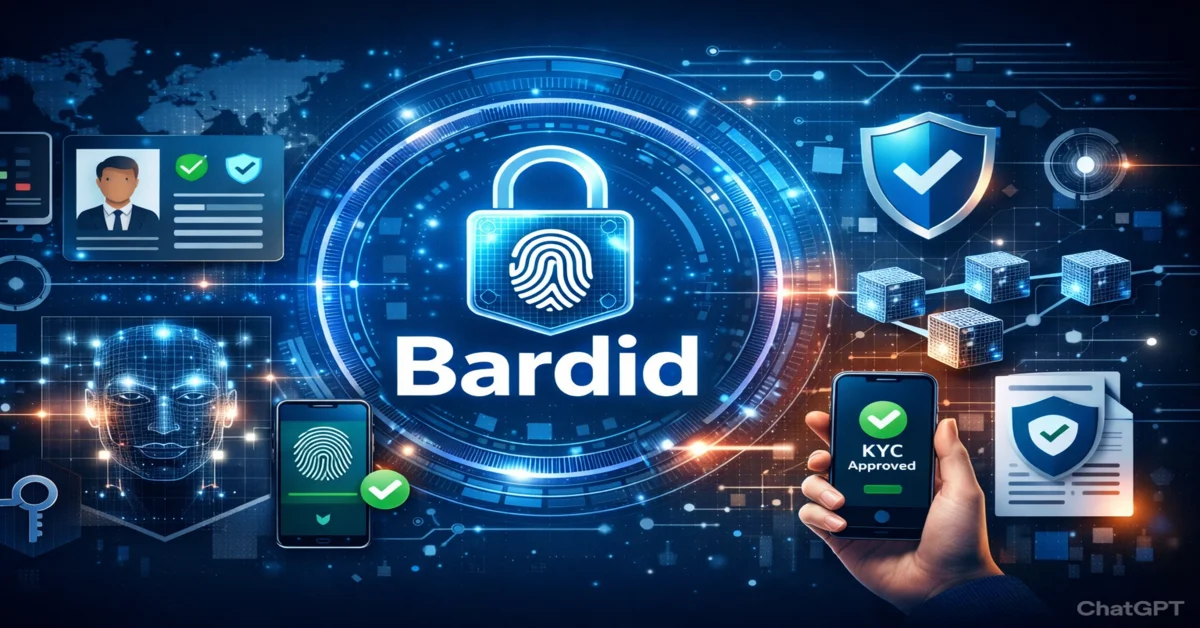
Bardid is an innovative digital identity verification platform designed to revolutionize how individuals and businesses authenticate themselves online. It provides a secure, reusable digital identity that can be leveraged across multiple platforms, minimizing the risks of identity theft, fraud, and account takeover. Unlike traditional systems that rely on repetitive document submissions, Bardid uses biometric authentication, cryptographic security, and AI-driven verification to ensure a seamless and reliable verification process.
As more transactions and communications move online, the need for robust online identity verification has never been greater. The rise of cybercrime, identity theft, and phishing attacks has made it imperative for businesses and users to adopt privacy-first identity systems. By 2026, experts predict that nearly all digital interactions will require some form of digital trust layer, making solutions like Bardid indispensable for secure and efficient online experiences.
Bardid acts as a bridge between traditional verification methods and next-generation digital identity systems. With reusable digital identities, multi-factor authentication (MFA), and verifiable credentials, Bardid empowers users to maintain control over their personal data while ensuring regulatory compliance (KYC/AML) for businesses. Its role extends beyond verification—Bardid fosters trust in the digital identity ecosystem by integrating behavioral biometric signals, document verification, and AI anomaly detection for enhanced security.
RELATED: Fraudee: Why Victims Matter Now More Than Ever
Understanding Digital Identity
A digital identity is the online representation of an individual or organization. It includes credentials, personal data, authentication methods, and behavior patterns that collectively confirm a user’s authenticity. Unlike physical IDs, digital identities are dynamic and can integrate biometric authentication, secure credential issuance, and verification badges to provide a comprehensive authentication framework.
Difference Between Traditional and Digital Identity Verification
Traditional identity verification relies on manual processes, including document scanning, in-person checks, and knowledge-based authentication (KBA). In contrast, digital identity verification solutions like Bardid automate these steps using AI-driven verification, liveness detection, and online authentication protocols. This transition from manual to automated processes reduces errors, accelerates verification, and minimizes opportunities for identity fraud.
Key Components: Biometric Authentication, Cryptography, and Behavioral Signals
Bardid’s system relies on a combination of biometric authentication (technology), cryptography, and behavioral biometric signals. Biometrics, such as facial recognition or fingerprint scanning, ensure that the user is present and authorized. Cryptographic security protects sensitive data during transmission and storage, while behavioral signals analyze patterns like typing speed and device usage to detect anomalies. Together, these components create a resilient digital trust layer for both businesses and users.
How Bardid Works
Step-by-Step Bardid Verification Process
Bardid simplifies identity verification through a structured identity proofing process. First, users submit their personal data and documents, which undergo document verification. Next, biometric authentication confirms physical presence, and AI anomaly detection scans for inconsistencies. Finally, the system issues a reusable digital identity, enabling users to authenticate securely across multiple platforms without repeated verification.
Reusable Digital Identity Explained
One of Bardid’s most innovative features is its reusable digital identity. Instead of repeatedly submitting personal documents, users can leverage a single, secure profile across different services. This feature is supported by verifiable credentials (W3C standard) and decentralized identity systems, ensuring data privacy and integrity while streamlining the user onboarding experience.
Role of Biometrics and AI in Bardid
Biometrics are the backbone of Bardid’s authentication process. Facial recognition, fingerprint scanning, and voice recognition provide real-time verification, while AI-driven verification continuously monitors for suspicious activity. By combining human-like reasoning and machine learning, Bardid minimizes account takeover risks and reinforces digital trust.
Security Measures: Encryption and Fraud Prevention
Bardid implements cryptographic security to protect data during transmission and storage. Coupled with risk-based authentication, multi-factor authentication (MFA), and behavioral analysis, Bardid proactively identifies threats and prevents fraud. This robust approach ensures compliance with KYC and AML regulations while safeguarding user data from cyberattacks.
Bardid vs Traditional Identity Verification
Manual vs Automated Verification Processes
Traditional methods often require in-person checks and paper-based documentation. These manual processes are slow, costly, and prone to human error. Bardid replaces these methods with automated verification workflows, identity access management (IAM) frameworks, and online authentication protocols, creating faster and more reliable identity checks.
Speed, Efficiency, and Privacy Comparison
Automated digital verification is faster, more efficient, and privacy-focused. Bardid’s privacy-first identity systems ensure that personal data is only shared when necessary, reducing exposure to identity theft and account takeover. This contrasts with traditional systems, which often store sensitive data redundantly, increasing risk.
How Bardid Reduces Identity Fraud and Impersonation
Bardid employs behavioral biometric signals, liveness detection, and AI monitoring to detect fraudulent activity. By continuously assessing identity trust scores, the system prevents impersonation and fraud, ensuring a secure online ecosystem for businesses and individuals alike.
Core Features of Bardid
Multi-Factor Authentication (MFA)
MFA is a fundamental part of Bardid’s security. Users must verify their identity through multiple channels, combining knowledge-based authentication, biometrics, and device verification. This layered approach reduces the likelihood of unauthorized access and strengthens the digital trust layer.
Self-Sovereign Identity and Verifiable Credentials
Bardid embraces self-sovereign identity (SSI) concepts, allowing users to control their personal data. Using verifiable credentials, individuals can selectively share information without exposing sensitive details, aligning with privacy regulations and enhancing security.
Regulatory Compliance: KYC & AML
Bardid ensures Know Your Customer (KYC) and Anti-Money Laundering (AML) compliance through automated checks and verification workflows. Businesses can confidently onboard users while meeting legal obligations, reducing the risk of regulatory fines.
Trust Scores and Verification Badges
Each verified user receives a trust score and verification badges, which act as trust indicators across platforms. These visual cues help businesses and users quickly identify authentic profiles, increasing confidence in online interactions.
Applications of Bardid
Finance and Banking (KYC Compliance)
Bardid enables financial institutions to streamline KYC processes while ensuring identity fraud prevention. Automated verification reduces onboarding time, lowers operational costs, and enhances compliance with global regulations.
Healthcare and Telemedicine
Healthcare providers rely on Bardid for secure identity authentication, ensuring patient data privacy and accurate record-keeping. Telemedicine platforms benefit from reliable verification, preventing fraudulent access to sensitive medical information.
E-commerce and Online Marketplaces
E-commerce platforms integrate Bardid to verify buyers and sellers, protecting against identity theft and fraudulent transactions. By issuing secure credentials, Bardid enhances trust and strengthens the digital identity ecosystem.
Educational Platforms and Credential Verification
Academic institutions use Bardid to issue verifiable credentials, enabling students and staff to authenticate themselves online securely. This reduces fraudulent claims and improves the integrity of online educational systems.
Benefits for Individuals and Businesses
Enhanced Security and Privacy
Bardid safeguards sensitive information through cryptographic security, biometric authentication, and decentralized identity systems. Users maintain control over their data while reducing exposure to fraud and cyber threats.
Convenience and Reusable Verification
With a reusable digital identity, users can authenticate across multiple platforms without repeating verification steps. This simplifies the onboarding process and creates a seamless online experience.
Cost and Time Savings for Businesses
Automated verification reduces manual labor, streamlines workflows, and lowers operational expenses. Businesses can focus on growth while ensuring regulatory compliance and secure user interactions.
Building Digital Trust in Online Interactions
By using trust indicators, identity credentials, and risk-based authentication, Bardid enhances confidence in digital interactions, establishing a secure environment for commerce, education, and communication.
Challenges and Limitations
Privacy and Data Protection Concerns
Despite its security, users may worry about data privacy. Bardid addresses these concerns by employing privacy-first systems, encryption, and self-sovereign identity frameworks, but ongoing education is essential to ensure user confidence.
Interoperability with Other Digital Identity Systems
Integration with legacy systems and other decentralized authentication protocols like OpenID can be challenging. Organizations must carefully plan to ensure seamless adoption and cross-platform verification.
Emerging Regulations and Compliance Challenges
Digital identity regulations vary globally. Bardid continuously updates its verification workflows to align with evolving KYC/AML rules and data protection laws, minimizing regulatory risk.
Adoption Barriers and User Education
Some users may be hesitant to adopt new verification methods. Clear communication about security, convenience, and control over personal data is key to successful implementation.
The Future of Bardid and Digital Identity
AI-Driven Verification Trends
Future verification will rely heavily on AI anomaly detection and predictive analytics, enhancing risk-based authentication and streamlining user onboarding experiences.
Blockchain and Decentralized Identity Evolution
Blockchain identity verification and decentralized identity systems will play a central role in empowering users to control their data, fostering trust across platforms.
Integration with Global Digital Ecosystems
Bardid is designed for interoperability, supporting identity lifecycle management and cross-industry adoption. As businesses and governments adopt digital identities, Bardid can integrate seamlessly to provide secure verification solutions.
How Bardid is Shaping the Future of Secure Online Identity
By combining biometric authentication, verifiable credentials, and multi-factor authentication, Bardid is redefining what it means to verify identity in a secure, efficient, and privacy-conscious way.
RELATED: Novafork: The Ultimate Guide to Free Streaming
Frequently Asked Questions (FAQs)
Is Bardid safe for personal data?
Yes. Bardid uses cryptographic security, decentralized systems, and privacy-first identity frameworks to protect personal data while enabling secure verification.
Can Bardid replace passwords completely?
Bardid reduces the reliance on passwords through multi-factor authentication, biometrics, and verifiable credentials, significantly lowering the risk of breaches.
How widely is Bardid adopted globally?
Bardid is gaining traction across finance, healthcare, education, and e-commerce, especially where regulatory compliance (KYC/AML) is essential.
How widely is Bardid adopted globally?
Bardid is gaining traction across finance, healthcare, education, and e-commerce, especially where regulatory compliance (KYC/AML) is essential.
What industries benefit most from Bardid?
Financial services, healthcare, e-commerce, and educational platforms benefit most, leveraging Bardid to enhance security, compliance, and digital trust.
Summary
Bardid is transforming the landscape of digital identity verification by providing secure, reusable, and privacy-conscious solutions for both individuals and businesses. With its integration of biometric authentication, AI-driven verification, and verifiable credentials, Bardid addresses the challenges of traditional verification methods, reduces fraud, and strengthens digital trust layers.
Embracing Bardid not only improves security and efficiency but also ensures compliance with evolving regulations, making it a key tool in shaping the future of online identity verification. As digital interactions continue to grow, adopting advanced solutions like Bardid is no longer optional—it’s essential for a safer, smarter, and more connected online world.