Last Updated on March 2, 2026 by Dwyane
Allergies can feel simple in the beginning. A little sneezing, some congestion, maybe itchy eyes. But for many people, the symptoms do not stop. They shift. The nose stays blocked. The pressure grows. The throat stays irritated. Ear fullness becomes common. When that happens, it is often because allergies are no longer acting alone. They are driving swelling inside the sinus system, and that changes everything.
At this stage, getting the right sinus treatment is not just about comfort. It is about fixing drainage, lowering inflammation, and preventing repeat infections that keep coming back.
RELATED: Bursiter: Preventing, and Treating Joint Inflammation
How Allergies Trigger Sinus Pressure and Blockage
Swelling That Closes Drainage Pathways
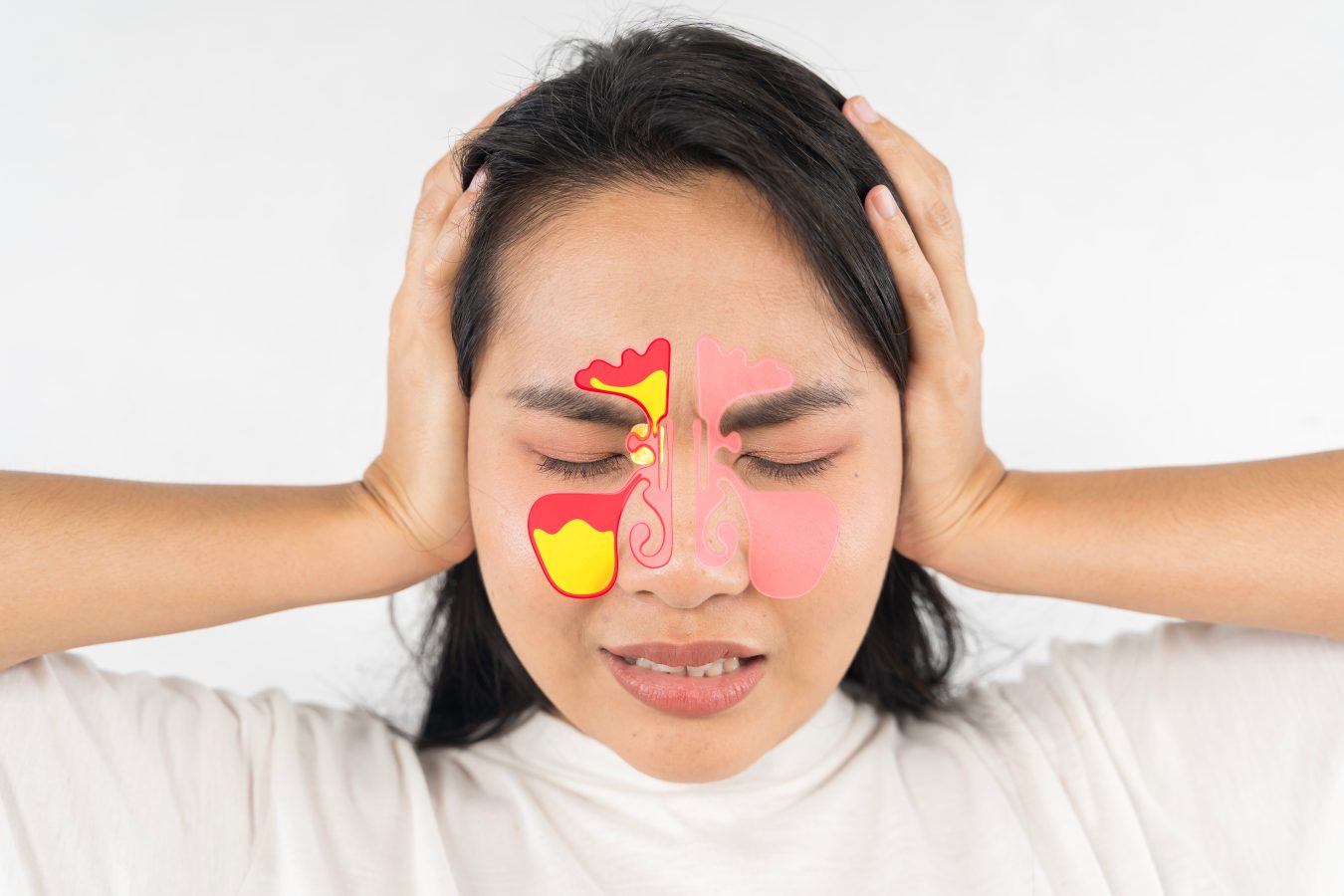
The sinuses are small air-filled spaces that drain through tiny openings into the nose. Allergies cause the lining of the nose and sinuses to swell. When that swelling blocks the drainage openings, mucus gets trapped.
Once mucus is trapped, you may notice:
Facial pressure around the cheeks or forehead
Headaches that feel worse when bending forward
Thick postnasal drip
Stuffy breathing that never feels clear
This is why allergy medicine can feel like it “helps a little” but never solves the real problem.
Mucus That Becomes Thick and Sticky
Allergy inflammation often changes mucus texture. It becomes thicker and harder to move. Even if the body is not fighting bacteria, trapped mucus can still cause pressure, congestion, and reduced smell.
This creates the perfect setup for sinus infections, especially when swelling lasts for weeks.
Why Some Symptoms Refuse to Improve With Basic Allergy Medications
Allergic Rhinitis That Turns Chronic
Allergic rhinitis is inflammation inside the nose caused by allergens like pollen, dust mites, mold, or pet dander. If exposure continues, the swelling becomes long-term. That long-term swelling keeps the sinuses from draining normally.
When drainage stays blocked, symptoms can linger even with antihistamines.
Sinus Inflammation That Becomes a Loop
Many people enter a cycle:
Allergies flare
Swelling blocks drainage
Pressure and congestion build
Mucus sits too long
Infection or irritation develops
Symptoms calm slightly
Allergies flare again
Each loop makes the sinus lining more sensitive. Over time, symptoms can feel constant.
Ear Pressure and Throat Irritation From the Same Cause
The ears and throat are connected to the back of the nose. When allergy swelling stays active, it can affect:
Eustachian tube function, causing ear fullness and muffled hearing
Postnasal drip, causing sore throat, coughing, and hoarseness
So the issue may “look like” multiple problems, but the source is often one: ongoing nasal and sinus inflammation.
Signs Your Allergies Have Become a Sinus Issue
Symptoms That Last Too Long
If congestion and pressure last longer than a few weeks, it may no longer be just seasonal allergies. Red flags include:
Pressure that returns every week
Blocked breathing on one side more than the other
Reduced sense of smell
Headaches that match sinus pain patterns
Recurrent Sinus Infections
If you get sinus infections several times per year, allergy inflammation may be keeping your drainage system blocked, making infections more likely.
Nighttime Symptoms That Disrupt Sleep
Chronic congestion often causes:
Mouth breathing
Snoring
Dry throat in the morning
Poor sleep quality
Sleep disruption is a major clue that inflammation is persistent, not temporary.
What Effective Sinus Treatment Usually Focuses On
Reducing Swelling So Drainage Can Restart
The goal is not only to “dry up” symptoms. The goal is to open airflow and restore drainage. This often includes a combination of:
Anti inflammatory nasal sprays
Targeted allergy control plans
Saline rinses to clear irritants and mucus
When swelling drops, the sinuses can finally drain again.
Identifying the Real Triggers
Some people treat symptoms for years without knowing what triggers them. A focused plan often includes testing for common allergens such as:
Pollen
Dust mites
Mold
Animal dander
Once triggers are known, treatment becomes more precise and more successful.
Treating Structural Blockages When Needed
Sometimes the problem is not only swelling. It can also be structure. Issues like a deviated septum, enlarged turbinates, or nasal polyps can narrow airflow and trap mucus.
When structure is part of the problem, medication alone may not fully work until the blockage is addressed.
Home Steps That Support Long Term Relief
Lowering Allergen Exposure Indoors
Small home changes can reduce daily inflammation:
Wash bedding weekly in hot water
Use mattress and pillow covers
Keep humidity controlled to reduce mold
Use HEPA filtration if possible
Keep pets out of bedrooms if sensitive
Daily Nasal Hygiene
Saline sprays or rinses help remove:
Allergens stuck in the nasal lining
Thick mucus that traps bacteria
Irritants that keep swelling active
This simple step often makes medication work better.
Hydration and Sleep Consistency
Hydration keeps mucus thinner. Quality sleep supports immune regulation. Together, they help the sinus lining calm down faster after flare ups.
When It Is Time to Seek Professional Help
You should consider evaluation if:
Symptoms last longer than 10 to 14 days repeatedly
Pressure and congestion return every month
Ear pressure or muffled hearing becomes common
You lose smell often
Infections keep coming back even after antibiotics
At that point, the priority becomes identifying what is keeping the sinus system inflamed and blocked.
Conclusion
Many people think allergies should be easy to manage with basic medication, but long-term symptoms often mean the sinus system is trapped in ongoing inflammation. When swelling blocks drainage, pressure builds, infections recur, and ear and throat symptoms appear at the same time.
The right approach focuses on lowering inflammation, restoring airflow, clearing trapped mucus, and controlling triggers. With proper sinus treatment, many people finally break the cycle and start breathing clearly again, sleeping better, and feeling normal day to day.