Last Updated on March 2, 2026 by Dwyane SEO
A healthy smile depends on more than straight, white teeth. It relies on strength, balance, comfort, and confidence. When teeth are missing, damaged, discolored, or misaligned, both function and appearance are affected. Chewing becomes difficult. Speech may change. Self confidence can drop.
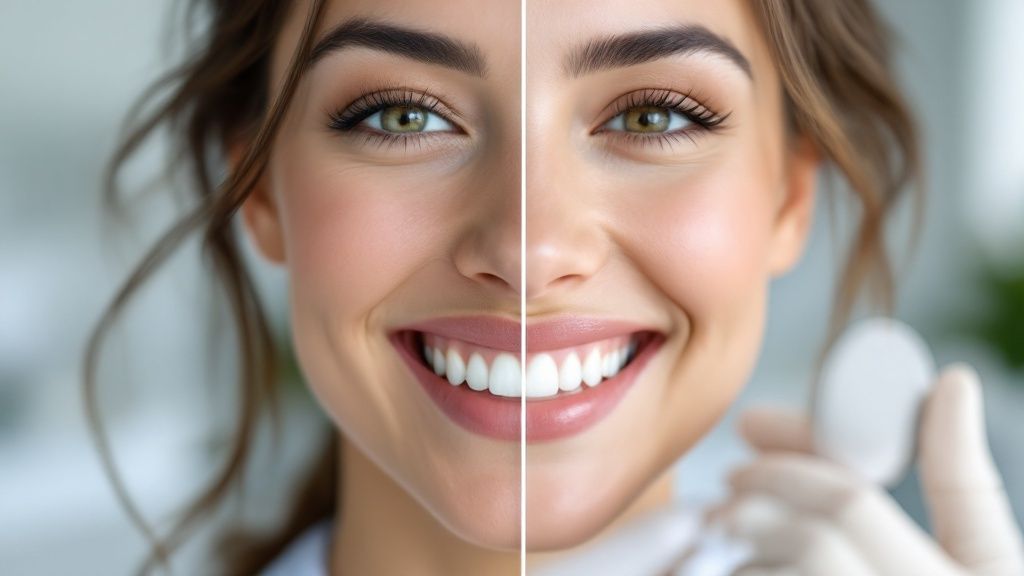
This is where modern restorative solutions and Cosmetic dentistry come together. Restorative care rebuilds structure and stability. Cosmetic care refines appearance and harmony. When combined thoughtfully, they create smiles that are strong, natural, and long lasting.
Understanding how these treatments complement each other helps patients choose solutions that restore not only their teeth, but their quality of life.
RELATED: Smiles 2 Ledgewood: A Comprehensive Guide
Why Missing or Damaged Teeth Affect More Than Appearance
The Impact on Chewing and Nutrition
Teeth are designed to distribute pressure evenly while chewing. When one or more teeth are missing, the remaining teeth must work harder. This uneven force can cause strain, discomfort, and faster wear.
Over time, people may avoid certain foods because chewing feels uncomfortable. This can affect nutrition and overall health. Replacing missing teeth restores proper bite balance and allows people to enjoy a wider range of foods again.
Jawbone and Structural Changes
The jawbone depends on stimulation from tooth roots. When a tooth is lost, the bone beneath it begins to shrink. According to the American Dental Association, untreated tooth loss may contribute to gradual bone density reduction.
This change can alter facial structure, making cheeks appear sunken or aged. Restorative treatments such as dental implants help preserve bone by replacing the missing root structure.
Speech and Daily Comfort
Teeth also play a role in speech clarity. Certain sounds require proper tongue and tooth positioning. Missing front teeth especially can affect pronunciation.
By restoring the natural alignment of teeth, replacement treatments improve speech and overall daily comfort.
Modern Restorative Options That Rebuild Strength
Dental Implants for Stability
Dental implants are considered one of the most stable replacement options. They are placed into the jawbone, where they act like natural tooth roots. This design allows them to support crowns securely and maintain bone health.
Because implants fuse with the bone, they provide excellent chewing strength and long term durability. Many patients appreciate how natural they feel during everyday activities.
Dental Bridges for Fixed Support
Dental bridges fill gaps by anchoring to neighboring teeth. They are fixed in place and restore the ability to chew effectively. Bridges are often chosen when adjacent teeth already require crowns.
While bridges do not stimulate the jawbone like implants, they provide reliable function and improved appearance.
Partial Dentures for Flexible Replacement
Removable partial dentures replace multiple missing teeth and can be taken out for cleaning. They are typically lightweight and custom fitted.
Although they may not offer the same stability as implants, partial dentures restore essential function and are often a practical solution for many patients.
The Role of Cosmetic dentistry in Smile Enhancement
Restorative treatments rebuild structure. Cosmetic care enhances beauty and harmony. Together, they create a complete transformation.
Improving Color and Brightness
Teeth whitening treatments help remove stains and brighten enamel. Custom whitening plans consider enamel thickness and sensitivity to avoid discomfort.
A brighter smile often boosts confidence and complements restorative work such as crowns or bridges.
Veneers and Bonding for Shape Refinement
Veneers and bonding can reshape chipped, uneven, or discolored teeth. These treatments focus on proportion and symmetry.
Personalized planning ensures that veneers match facial features, skin tone, and surrounding teeth. The goal is enhancement without an artificial look.
Alignment and Proportion Adjustments
Even minor alignment corrections can dramatically improve smile balance. Straightening treatments not only improve appearance but also help distribute bite forces more evenly.
By addressing both function and aesthetics, cosmetic enhancements contribute to long term oral stability.
Why Personalized Planning Is Essential
Every Smile Is Unique
Tooth size, gum shape, jaw position, and facial proportions differ from person to person. A solution that looks natural for one individual may appear mismatched on another.
Custom treatment planning evaluates:
- Bone structure
- Gum health
- Bite alignment
- Personal goals
- Lifestyle habits
This ensures that restorative and cosmetic treatments work together seamlessly.
Blending Function and Beauty
For example, after placing a dental implant, shade matching and contour adjustments help it blend naturally with surrounding teeth. Without cosmetic refinement, even a stable restoration may look noticeable.
Personalized planning prevents imbalance and ensures harmony across the smile.
Technology Supporting Modern Dental Care
Digital Imaging for Precise Results
Digital imaging tools allow dentists to analyze bite alignment and smile proportions accurately. Patients can preview potential results before treatment begins.
This improves communication and reduces uncertainty.
Minimally Invasive Techniques
Modern dentistry emphasizes preserving healthy tooth structure. Whether placing implants or applying veneers, techniques aim to minimize unnecessary removal of natural tissue.
This approach supports faster recovery and better long term outcomes.
Long Term Benefits of Combining Restorative and Cosmetic Care
Improved Confidence
When chewing feels natural and teeth look balanced, confidence grows. Patients often report feeling more comfortable smiling in social and professional settings.
Balanced Bite and Jaw Health
Properly aligned and restored teeth reduce strain on jaw joints. This lowers the risk of discomfort and uneven wear over time.
Durable, Natural Looking Results
Custom planning ensures that treatments not only look good initially but also remain stable for years. Regular maintenance and preventive care protect these results.
Maintenance After Treatment
Daily Oral Hygiene
Brushing twice daily and flossing protect both natural teeth and restorations. Special tools may be recommended for cleaning around implants or bridges.
Routine Dental Visits
Regular checkups allow early detection of minor issues before they become serious problems. Professional cleanings help maintain both health and appearance.
Protecting Your Investment
Avoiding excessive grinding, using protective guards if needed, and following personalized care instructions all extend the lifespan of restorative and cosmetic treatments.
Conclusion: Restoring Strength and Confidence Together
Missing or damaged teeth affect far more than appearance. They influence chewing, speech, jaw stability, and self confidence. Modern restorative options such as implants, bridges, and dentures rebuild structural support. Personalized cosmetic enhancements refine appearance and balance.
When combined through thoughtful planning, these treatments create smiles that are strong, stable, and natural looking. The goal is not simply to fill a gap or whiten enamel. It is to restore full function and long term confidence.
A healthy smile supports daily comfort, emotional well being, and overall oral wellness. With modern techniques and personalized care, it is possible to rebuild both stability and beauty for years to come.