Last Updated on March 2, 2026 by Dwyane SEO
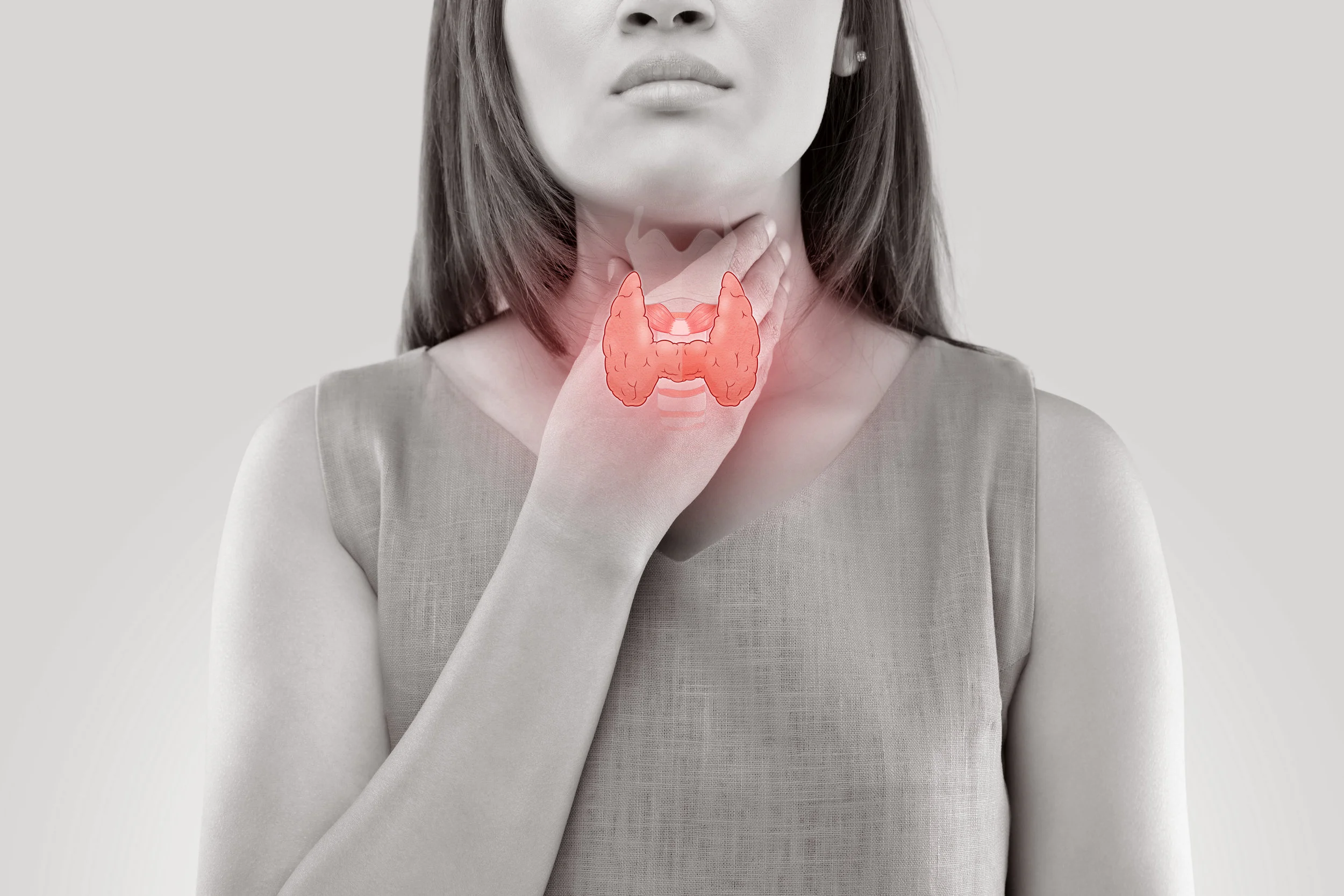
The neck houses many vital structures, including the thyroid gland, lymph nodes, and voice box. When changes occur in this area, such as swelling, discomfort, or difficulty swallowing, they should never be ignored. Timely ENT care plays a key role in identifying thyroid disorders, neck masses, and early signs of head and neck cancer before they become more serious.
Early detection allows for more effective treatment and better long term outcomes. Understanding the connection between lifestyle, genetics, and medical evaluation helps individuals take proactive steps toward protecting their health.
RELATED: Íbufen: The Essential Guide to Safe, Fast Pain Relief
Understanding Thyroid Disorders and Neck Conditions
How the Thyroid Affects Overall Health
The thyroid gland regulates metabolism, energy levels, and hormonal balance. When the gland produces too much or too little hormone, it can affect multiple body systems. Common thyroid conditions include hypothyroidism, hyperthyroidism, and thyroid nodules.
Symptoms may include fatigue, weight changes, neck swelling, and changes in heart rate. Because these symptoms can be subtle, regular medical evaluation helps detect issues early.
What Neck Masses May Indicate
Lumps or swelling in the neck can develop for various reasons. Some are harmless, such as enlarged lymph nodes from minor infections. Others may indicate thyroid growths or more serious conditions.
Any persistent mass that does not resolve within a few weeks should be examined by a specialist to determine its cause.
Lifestyle and Genetic Factors That Influence Risk
The Role of Family History
Genetics play a significant role in thyroid disease and certain cancers. Individuals with a family history of thyroid conditions or head and neck cancer may have a higher risk of developing similar problems.
Sharing family health history with healthcare providers allows for earlier screening and preventive strategies.
Environmental and Lifestyle Influences
Lifestyle habits also affect thyroid and neck health. Exposure to tobacco, excessive alcohol use, poor diet, and environmental toxins can increase the likelihood of developing health issues in the neck and throat region.
Maintaining a balanced diet, avoiding harmful substances, and staying physically active help reduce risk.
Recognizing Early Warning Signs
Symptoms Related to Thyroid Disorders
Thyroid related symptoms may include:
Unexplained weight gain or loss
Fatigue or weakness
Neck swelling or tenderness
Difficulty swallowing
Changes in heart rate
These symptoms often develop gradually and may be mistaken for other conditions.
Signs of Head and Neck Cancer
Early signs of more serious conditions can include:
Persistent sore throat
Hoarseness or voice changes
Lumps in the neck
Difficulty swallowing
Ear pain without infection
Early recognition and evaluation significantly improve treatment outcomes.
Diagnostic Approaches for Accurate Evaluation
Physical Examination and Medical History
A thorough examination of the neck and throat helps identify abnormalities. Specialists review symptoms, lifestyle factors, and family history to determine potential causes.
This initial assessment guides further diagnostic testing.
Imaging and Laboratory Testing
Ultrasound imaging is commonly used to evaluate thyroid nodules and neck masses. Blood tests measure hormone levels and detect thyroid dysfunction.
If necessary, imaging such as CT scans or MRI may be used to examine deeper structures and determine the extent of a condition.
Biopsy and Advanced Evaluation
When a suspicious growth is detected, a biopsy may be recommended. This procedure involves collecting a small tissue sample for laboratory analysis to determine whether the growth is benign or malignant.
Accurate diagnosis allows for targeted and effective treatment planning.
Treatment Options and Care Strategies
Managing Thyroid Disorders
Many thyroid conditions can be managed with medication that balances hormone levels. Regular monitoring ensures treatment remains effective and prevents complications.
In some cases, surgical intervention may be necessary to remove nodules or treat severe disease.
Addressing Neck Masses and Growths
Benign growths may only require monitoring, while others may need removal or additional testing. Treatment plans depend on the nature and severity of the condition.
Timely evaluation helps prevent complications and ensures appropriate care.
Cancer Treatment and Rehabilitation
When cancer is detected early, treatment options such as surgery, radiation, or targeted therapy can be highly effective. Coordinated care among specialists ensures comprehensive management and recovery support.
Rehabilitation may include speech therapy, nutritional support, and ongoing monitoring.
Preventive Measures for Long Term Health
Healthy Lifestyle Choices
Maintaining overall wellness reduces the risk of many thyroid and neck conditions. Key practices include:
Balanced nutrition rich in essential vitamins and minerals
Regular physical activity
Avoidance of tobacco products
Limiting alcohol consumption
These habits support immune function and hormonal balance.
Routine Medical Checkups
Regular checkups allow early detection of changes in the thyroid or neck. Individuals with family history or previous thyroid issues should schedule periodic evaluations.
Preventive care often reduces the need for more intensive treatments later.
The Value of Coordinated Specialist Care
Comprehensive Evaluation and Monitoring
Specialists provide thorough assessments and follow up care to monitor changes over time. Ongoing evaluation ensures that any new symptoms are addressed promptly.
This coordinated approach improves outcomes and provides peace of mind.
Personalized Treatment Plans
Each patient’s condition is unique. Personalized care plans consider medical history, lifestyle factors, and genetic risk. Tailored treatment ensures effective management and better long term health.
Conclusion
Thyroid disorders and head and neck conditions can significantly impact daily life if left untreated. Early recognition of symptoms, combined with regular medical evaluation, allows for timely diagnosis and effective treatment.
By understanding the role of genetics, lifestyle choices, and professional evaluation, individuals can take proactive steps to protect their health. Preventive care, routine screenings, and healthy habits all contribute to long term wellness.
Prioritizing neck and thyroid health today supports better outcomes in the future, ensuring comfort, confidence, and overall quality of life.