Last Updated on February 24, 2026 by BloggerMagazine
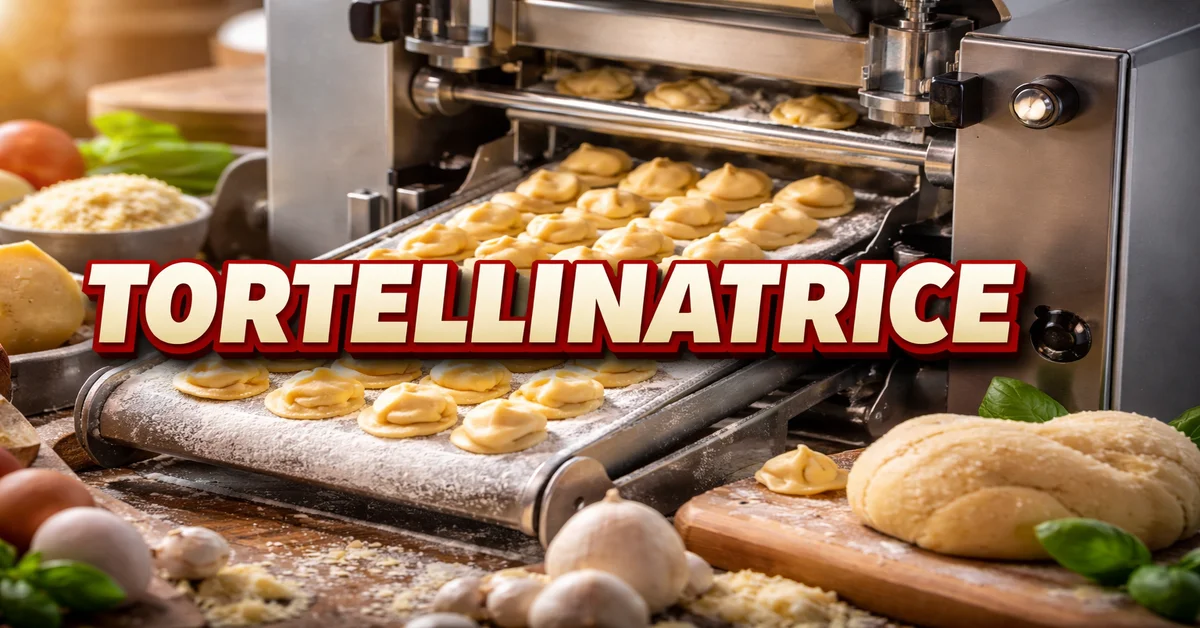
Tortellinatrice is a specialized pasta-making machine designed to produce tortellini, the small, ring-shaped stuffed pasta from Italy. In plain terms, it’s a tortellini maker that unites dough sheeting, filling deposition, folding, sealing, and cutting into a continuous, efficient operation.
The history of tortellini is steeped in Emilia-Romagna tradition: hand-rolled dough, carefully portioned meat or cheese fillings, and the practiced fold of expert sfogline. Over the last century, as demand and kitchen scale increased, manufacturers engineered machines to preserve the authentic shape and texture while boosting speed and consistency. The tortellinatrice bridges that gap — honoring tradition while enabling modern production.
Automation matters not to replace craft, but to amplify it. Whether you run an artisan pasta shop, a busy restaurant, or a food production line, the tortellinatrice delivers uniform results, reduces repetitive labor, and opens opportunities to scale without sacrificing quality.
RELATED: Serlig: The Smart, Calming Way to Reclaim Your Day
How a Tortellinatrice Works
Understanding how a tortellinatrice works is key to appreciating its impact. The process combines several steps traditionally done by hand but now optimized through mechanization.
Step-by-Step Process
- Dough Rolling: The pasta dough passes through pasta sheet rollers, which create uniform thickness. Consistent dough thickness is essential for delicate tortellini that cook evenly.
- Filling Deposition: Using a filling hopper or dispenser, the machine precisely places pasta fillings — such as cheese, meat, or vegetables — onto the sheet.
- Folding and Shaping: Mechanical forming molds fold the dough around the filling, creating the classic ring shape of tortellini or similar shapes like cappelletti.
- Sealing and Cutting: Advanced pasta sealing mechanisms ensure airtight edges, preventing filling leakage, and cutters separate individual pieces.
Components of a Tortellinatrice
Every tortellinatrice consists of critical parts designed for efficiency and hygiene:
- Rollers for uniform dough thickness
- Filling hopper for precise ingredient placement
- Shaping molds for consistent tortellini
- Cutters for clean separation
Manual vs Automatic Machines
A manual tortellinatrice requires hands-on operation, suitable for small kitchens or home chefs. Semi-automatic machines blend human supervision with automation, ideal for boutique pasta shops. Industrial or fully automatic tortellinatrice machines, such as the Ostoni Tortellinatrice Modello T8, are designed for high-volume commercial production, often featuring PLC programmable controls for precise, repeatable results.
Types of Tortellinatrice Machines
The market offers a variety of tortellinatrice machines to suit different needs:
Manual Tortellinatrice
Manual machines are perfect for small-scale pasta production and home kitchens. They are:
- Affordable and easy to operate
- Compact and space-efficient
- Best for hobbyists or artisan experiments
However, manual machines are slower, labor-intensive, and less consistent for large batches.
Semi-Automatic Tortellinatrice
Semi-automatic tortellinatrici balance automation and human oversight:
- Ideal for small business pasta production
- Faster and more consistent than manual machines
- Moderate cost and manageable maintenance
Industrial/Fully Automatic Tortellinatrice
For restaurants, catering companies, and pasta factories, industrial machines provide:
- High production capacity
- Minimal human intervention
- Advanced features such as automated pasta forming, PLC programmable controls, and filling dispensers
Models include ANKO HLT‑700U Tortellini Machine and Dominioni Punto & Pasta D140T Tortellinatrice, both renowned for reliability and speed.
Comparison Table of Features, Capacity, and Price
| Machine Type | Production Volume | Key Features | Approx. Price |
|---|---|---|---|
| Manual | Low (home/kitchen) | Hand-crank, compact | $500–$1,200 |
| Semi-Automatic | Medium (small business) | Partial automation, consistent shaping | $3,000–$8,000 |
| Industrial | High (commercial/industrial) | Fully automatic, PLC controls, high-speed forming | $20,000–$100,000+ |
Benefits of Using a Tortellinatrice
- Speed & Efficiency. A tortellinatrice transforms laborious handwork into a rapid, repeatable process — producing consistent tortellini at volumes impossible by hand. For busy kitchens and producers, this means faster service, predictable yields, and the freedom to experiment with fillings and formats.
- Consistency in Shape & Cooking. Uniform size equals uniform cooking. Machines eliminate the small variations of hand-folding and ensure every tortellino cooks evenly, improving customer satisfaction and reducing waste — a crucial advantage for restaurants and retail packaging.
- Labor Savings & Hygiene. Automating repetitive tasks reduces operator fatigue and the risk of human error. Many models are stainless-steel, easy to sanitize, and compliant with industrial food-safety norms — a must for commercial pasta equipment and food processing operations.
- Scalability. From artisan food stalls to large factories, a tortellinatrice lets businesses grow their output without proportional increases in labor. Whether scaling a restaurant’s capacity or launching an artisan pasta brand, these machines make growth achievable and profitable.
Popular Tortellinatrice Brands and Models
Several top brands are widely recognized for reliability and innovation:
Ostoni Tortellinatrice Modello T8
An industrial machine known for high-capacity tortellini production. It features pasta sheet rollers, automated folding, and cutting mechanisms, perfect for factories or high-volume kitchens.
ANKO HLT‑700U Tortellini Machine
A versatile automated production equipment that produces tortellini efficiently while maintaining quality. Its PLC programmable controls allow precise settings for dough thickness and filling volume.
Dominioni Punto & Pasta D140T Tortellinatrice
Designed for both semi-industrial and artisanal kitchens, this model balances efficiency with quality, supporting multiple pasta types such as tortellini, ravioli, and cappelletti.
Feature Comparisons:
| Model | Automation | Production Volume | Pasta Types Supported |
|---|---|---|---|
| Ostoni T8 | Fully Automatic | Very High | Tortellini |
| ANKO HLT‑700U | Fully Automatic | High | Tortellini, Ravioli |
| Dominioni D140T | Semi-Automatic | Medium | Tortellini, Cappelletti, Ravioli |
How to Choose the Right Tortellinatrice
Selecting the ideal tortellinatrice depends on several factors:
Factors to Consider
- Production Volume: How many tortellini per hour you need
- Machine Type: Manual, semi-automatic, or industrial
- Budget: From small kitchen machines to large industrial setups
Accessories and Molds
Most machines allow custom molds to create various shapes like tortellini, ravioli, or cappelletti. These accessories can expand your product range and appeal to different customer preferences.
Tips for First-Time Buyers
- Evaluate kitchen space and layout
- Consider future scalability
- Review maintenance requirements
- Look for warranty and after-sales support
Where to Buy
- Online marketplaces and manufacturer websites
- Authorized distributors
- Local commercial kitchen equipment suppliers
Maintenance and Troubleshooting Tips
Proper maintenance ensures longevity and consistent performance:
Cleaning and Hygiene
- Clean rollers, molds, and cutting areas after each use
- Follow manufacturer guidelines for food-safe cleaning solutions
Maintenance Schedule
- Lubricate moving parts
- Check PLC programmable controls for industrial machines
- Inspect filling dispensers and sealing mechanisms regularly
Common Problems
- Dough sticking to rollers: adjust flour content or dough consistency
- Uneven filling: check filling hopper calibration
- Machine jams: ensure molds and cutters are clean and aligned
Tortellinatrice in the Kitchen: Use Cases
Restaurants and pizzerias gain fast, fresh tortellini for à la carte menus and events without hiring extra staff. The machine helps maintain consistent plating and portion control — a real win for kitchen efficiency tools.
Artisanal pasta shops and artisan food production use semi-automatic and industrial machines to scale beloved recipes, supply retail outlets, or offer fresh tortellini by weight. The balance of tradition and automation keeps brand authenticity intact.
Home chefs and cooking enthusiasts can also benefit: smaller manual or countertop tortellinatrici let passionate cooks produce beautiful stuffed pasta at home, adding a wow factor to dinner parties.
Food business start-ups can use used or entry-level machines to test product markets before investing in industrial equipment. The tortellinatrice lowers the barrier to entry for small business pasta production.
RELATED: Bursiter: Preventing, and Treating Joint Inflammation
Frequently Asked Questions (FAQ)
Can a tortellinatrice make other pasta besides tortellini?
Yes. Many machines handle ravioli, cappelletti, and similar filled formats with swappable molds and dies. Multipurpose machines are designed for flexibility.
Is it worth buying for small kitchens?
If your operation requires regular production of stuffed pasta at moderate volumes, a semi-automatic tortellinatrice can save time and labor. Evaluate space, budget, and production needs before buying.
How much does a tortellinatrice cost?
Prices range widely: manual units start in the low hundreds, semi-automatic units range from a few thousand to mid five figures, and industrial lines can exceed $20,000 depending on modules and capacity. Always request a tailored quote.
Homemade vs commercial tortellini — what’s the difference?
Homemade (hand-folded) pieces can have subtle textural variations and a handcrafted charm. Machine-made tortellini prioritize uniformity, speed, and scale while preserving traditional shape and flavor when set up correctly.
Summary
A tortellinatrice is a powerful, confidence-boosting tool for anyone serious about producing high-quality tortellini at scale. Whether you’re a passionate home cook, an ambitious startup, or an established factory, there’s a machine type that fits your goals. Consider production volume, flexibility, budget, and after-sales support before committing.
Final tips: Request demos, test samples with your recipes, verify spare parts availability, and choose stainless-steel food-grade components for hygiene and durability. Start with conservative production estimates and scale as your demand grows — the right tortellinatrice will pay back in saved time, consistent quality, and joyful customers.