Last Updated on March 10, 2026 by Sky Bloom IT
Introduction
Both businesses and individuals need secure storage solutions to keep their possessions, machinery, or stock. Climate-controlled storage keeps temperature and humidity levels regulated, however most items in self-storage do not require climate control storage; non-climate-controlled storage units can store these items without risk of damage. Knowing what can be safely kept inside these storage facilities helps optimise the cost of storing items while keeping them secure and in good condition.
Here at Conrail, we realise that certain items need multiple storage environments. Climate controlled units are relatively costly but are most suitable for naturally sensitive items that would fail in humidity or extreme temperatures and can be stored effectively non-climate-controlled.
Well, if we want to add a short explanation to your question: by selecting the appropriate method of storage for each type of good we guarantee that it is well stored and kept in a way that preserves its quality over time.
Understanding Non-Climate-Controlled Storage Units
Non-climate-controlled storage is simply space that does not have temperature or humidity control within the facility. These units protect against rain, wind and direct sunlight, but the internal environment varies with external weather conditions.
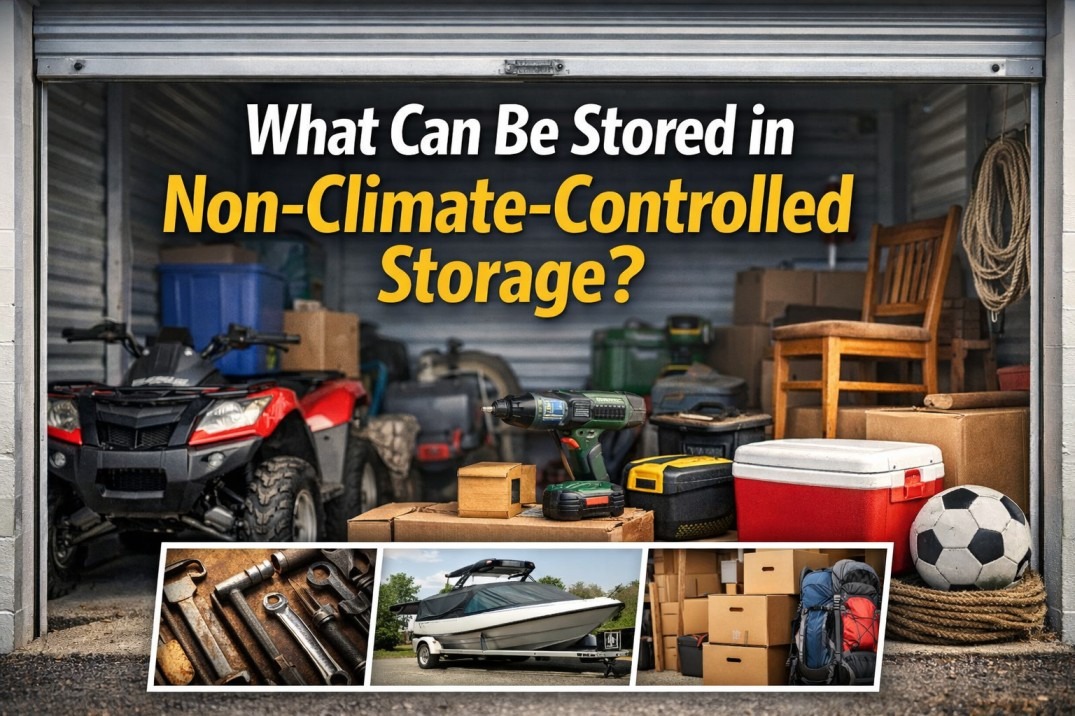
While climate controlled storage units are essential for items that need to be temperature sensitive, many durable possessions can safely stay in an ordinary storage space without controlling the climate. Industrial equipment, vehicles, tools and large household items are typically stored in this manner.
Affordable and accessible: This type of storage makes the best sense when cost is a concern. These units typically offer more storage space at a cheaper rate than climate-controlled options and can be perfect for those that may have businesses or individuals that are managing mass quantities of stock or equipment.
Furniture That Can Be Safely Packed Away
Most furniture makes of metal, plastic, or treated wood are great candidates for non-climate-controlled storage facilities. These materials are resistant to temperature changes and humidity fluctuations without any major damage.
Examples of suitable furniture include:
- Metal shelving units
- Plastic chairs and tables
- Outdoor patio furniture
- Steel cabinets and lockers
- Metal bed frames
We suggest you clean and cover each piece of furniture before storage to avoid dust build-up. Protective coverings or moving blankets provide an added level of protection and help keep furniture preserved during longer periods in storage.
Vehicles and Machinery Storage
Climate-Controlled storage is not used for all, some of the vehicles, machines and industrial equipment are stored non-climate-controlled. These items are made to sustain outdoor environmental conditions and need no temperature control.
- Items suitable for storage include:
- Cars and motorcycles
- Boats and trailers
- Construction equipment
- Agricultural machinery
- Industrial tools and hardware
Sure, there are general maintenance steps that can be done pre-storage like washing the vehicle and checking all fluids (notably oil) as well as tools like battery disconnects if you’re going to store a vehicle for a long time. During events like these, you want vehicles to continue running and being sheltered.
Tools and Hardware
Some of the most common types of belongings stored in non-climate-controlled units are tools. Being made from sturdy construction materials (steel, aluminium, and reinforced plastic), these will handle the elements.
Suitable items include:
- Power tools
- Hand tools
- Toolboxes
- Garden equipment
- Workshop machinery
Storing tools in containers with lids or heavy-duty cabinets also keeps dust and moisture away from them. Many businesses depend upon non-climate controlled units for storing excess tools and equipment, whilst keeping their workspaces tidy.
Outdoor Equipment and Recreational Gear
The outdoor tools can withstand great weather, meaning that they will be able to endure the conditions of storage. They usually also have weather-resistant materials and protective coatings.
Examples include:
- Camping equipment
- Sports gear
- Bicycles
- Kayaks and canoes
- Lawnmowers and garden tools
Stashing these items away at a non-climate-controlled storage unit not only secures them, but frees up precious space in personal or commercial properties.
Construction and Building Materials
Construction companies often utilize non-climate-controlled storage to protect building supplies and materials in between projects. Natural changes in temperature leave many latters unfazed and unaffected.
Examples of suitable materials include:
- Bricks and concrete blocks
- Metal pipes
- Tiles and stone
- Steel beams
- Scaffolding components
These materials are also very durable and designed for outdoor use, so they work well in standard storage environments without climate control.
Plastic and Metal Household Items
Household items made of plastic or metal can be stored non-climate-controlled, the site adds. These materials are stable in the environment and structurally sound when subjected to fluctuating temperatures.
Examples include:
- Plastic storage bins
- Metal cookware
- Kitchen appliances
- Garage storage containers
- Metal shelving
Packing and stacking the items in a way that allows for proper use of all space available on your storage unit minimises damages.
Business Inventory and Commercial Supplies
Various businesses use non-climate-controlled facilities to store overflow inventory and operational supplies. Those that do not react to heat or moisture can be stored safely in these units.
Common examples include:
- Packaging materials
- Shipping boxes
- Retail display racks
- Hardware supplies
- Bulk merchandise
Using standard storage units allows companies to save on operational costs, whilst providing easy access to important materials they rely on for business.
Items That Require Climate-Controlled Storage
Many durable items do well in non-climate-controlled units, but some items need a climate control storage unit to prevent damage from humidity and temperature changes.
Examples include:
- Electronics and computers
- Wooden antiques
- Artwork and paintings
- Musical instruments
- Important documents
- Leather furniture
These sensitive items are better off at stable temperature and humidity levels that stave off warping, cracking and mould growth.
Use Non Climate-Controlled Storage Like a Pro: Fuel Guide
To avoid adversely affecting any stored items, we have a few recommended practical preparation strategies: Clean all items before storage. Dirt and debris can lead to long-term damage or attract pests. Use protective covers and packaging. Plastic wraps, tarpaulins and blankets offer extra protection.Elevate items off the floor. Pallets or shelving allow for non conspicuous exposure to moisture.
Label containers clearly. The right organisation also makes it easy for everyone to access the resources and manage the inventory. Allow ventilation space. Allowing some space between items lets air flow inside item storage and helps reduce condensation.These are easy but effective measures which all help greatly to optimise the use of standard storage units and keep stored items safe.
Choosing the Right Storage Solution
The choice between climate controlled storage and standard storage units depends on what you are storing. For items like durable goods, tools, vehicles, and construction materials non-climate-controlled storage provides great protection at a lower price.
For sensitive items like electronics, documents or antiques, climate-controlled storage units offer crucial environmental control that can minimize long-term damage.By coming up with storage needs, we now know exactly how to store things for a safe and organized future use.